As cities grow and populations increase, the demand for efficient wastewater management becomes more important than ever. A well-designed sewerage system is essential for maintaining public health, protecting the environment, and supporting sustainable urban development. Whether it is a residential township, industrial estate, commercial complex, or smart city project, proper sewerage design ensures that wastewater is safely collected, conveyed, treated, and disposed of without impacting people or natural resources.
Sewerage design is not just about laying underground pipes. It involves careful planning, hydraulic analysis, environmental considerations, future population projections, and integration with existing infrastructure. A properly engineered system helps prevent flooding, reduces pollution, minimizes maintenance costs, and improves the overall quality of life for communities.
What is Sewerage Design?
Sewerage design is the process of planning and engineering a network that collects wastewater from homes, commercial establishments, institutions, and industries and transports it to a treatment facility or disposal point. The design includes sewer pipelines, manholes, pumping stations, rising mains, and sewage treatment plants that work together as an integrated system.
The primary objective is to ensure the safe and efficient movement of wastewater while maintaining adequate flow velocities, preventing blockages, and minimizing environmental impacts.
Why is Sewerage Design Important?
An effective sewerage system is one of the foundations of modern infrastructure. Without proper wastewater management, communities can face serious challenges such as water contamination, disease outbreaks, environmental degradation, and flooding.
Some key benefits of sewerage design include:
- Improved public health and sanitation.
- Protection of groundwater and surface water resources.
- Prevention of waterborne diseases.
- Reduction in environmental pollution.
- Support for urban and industrial development.
- Efficient wastewater treatment and reuse.
- Long-term infrastructure sustainability.
Where is Sewerage Design Required?
Sewerage design is essential across a wide range of developments and infrastructure projects.
- Residential Developments: Housing societies, apartments, gated communities, townships, and urban residential areas require sewerage systems to manage domestic wastewater effectively.
- Commercial Projects: Shopping malls, office complexes, hotels, hospitals, educational institutions, and business parks generate significant wastewater that must be collected and treated safely.
- Industrial Areas: Manufacturing facilities and industrial parks often produce wastewater with varying characteristics that require specialized sewerage planning and treatment solutions.
- Smart Cities: Modern smart city projects integrate advanced sewerage network design with digital monitoring systems to improve operational efficiency and environmental performance.
Infrastructure and Urban Development Projects
Road corridors, railway stations, airports, ports, and public utility developments require sewerage infrastructure as part of comprehensive urban planning.
Rural and Semi-Urban Areas: Growing villages and developing towns increasingly require structured sewerage systems to improve sanitation and environmental conditions.
How Does a Sewerage System Work?
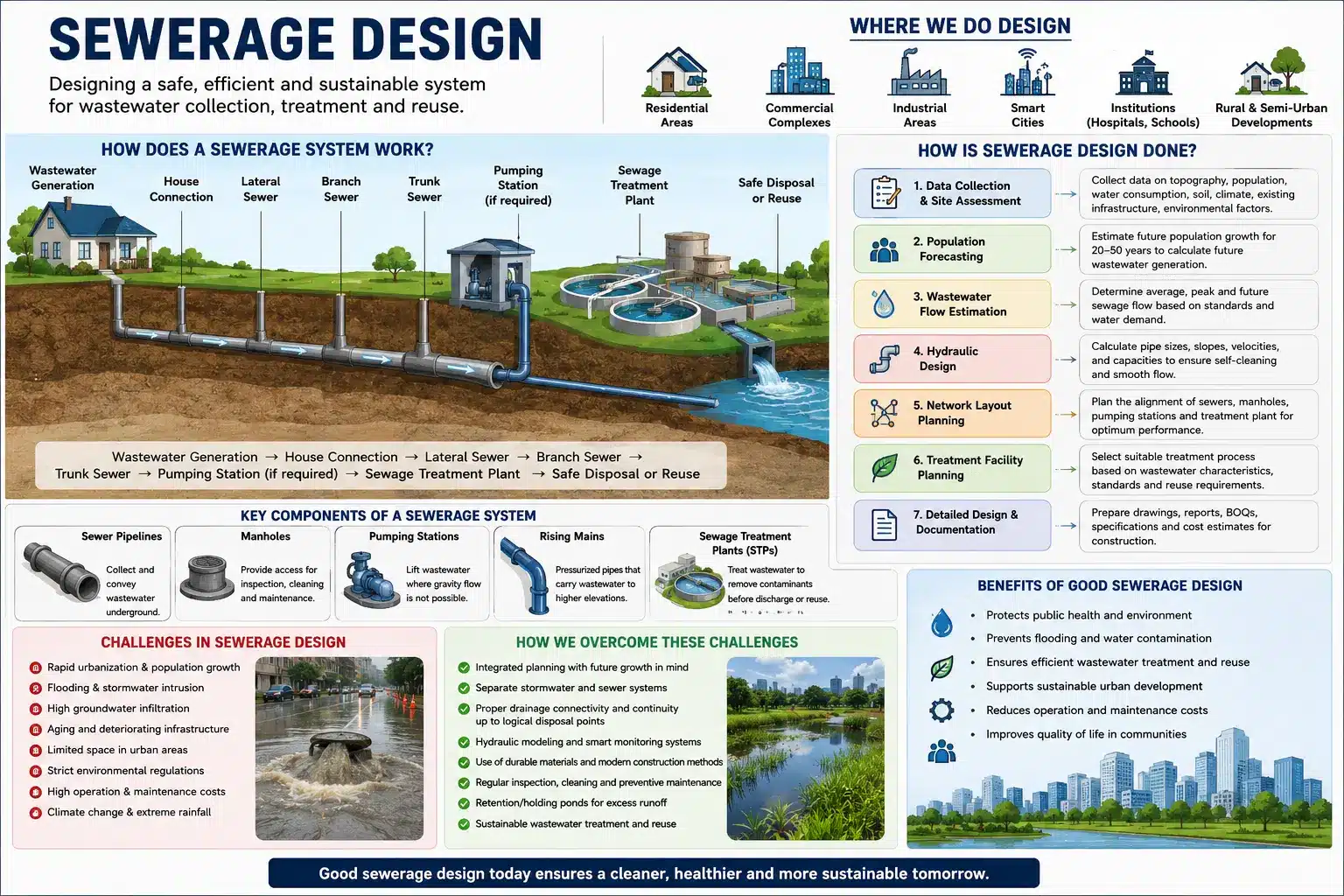
A sewerage system functions by collecting wastewater from various sources and transporting it through a network of underground pipelines to a treatment facility. Wastewater from homes, offices, industries, and public facilities enters smaller collection pipes. These connect to larger branch sewers and eventually to trunk sewers that transport sewage over longer distances.
Key Components of a Sewerage System
- Sewer Pipelines: These underground pipes collect and convey wastewater throughout the network.
- Manholes: Manholes provide access for inspection, cleaning, maintenance, and emergency repairs.
- Pumping Stations: Used where gravity flow alone cannot transport wastewater effectively.
- Rising Mains: Pressurized pipelines that carry wastewater from pumping stations to higher elevations or treatment facilities.
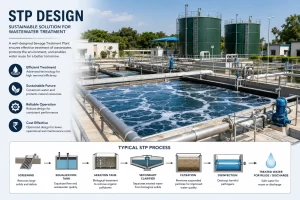
- Sewage Treatment Plants (STPs): Facilities that remove contaminants and produce treated water suitable for discharge or reuse.
How is Sewerage Design Performed?
Designing a sewerage system requires a systematic engineering approach.
- Data Collection and Site Assessment
Engineers gather information related to:
- Existing infrastructure
- Land use patterns
- Topography
- Population density
- Water consumption
- Groundwater conditions
- Environmental constraints
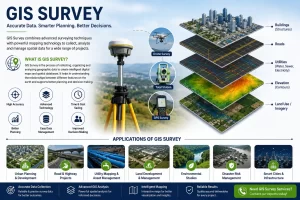
Topographic surveys, GIS mapping, drone surveys, and utility investigations are often conducted during this stage.
- Population Forecasting
Future population growth is estimated to determine long-term wastewater generation. Most sewerage systems are designed for a service life of 20 to 50 years.
- Wastewater Flow Estimation
Engineers calculate average, peak, and future sewage flows based on water demand, land use, and population projections.
- Hydraulic Design
Hydraulic calculations are performed to determine:
- Pipe diameters
- Flow velocities
- Sewer gradients
- Hydraulic capacities
- Pumping requirements
The objective is to ensure smooth flow while preventing sediment accumulation and excessive velocities.
- Network Layout Planning
The sewer network design is planned to maximize gravity flow while minimizing construction and operational costs.
- Treatment Facility Planning
Appropriate sewage treatment processes are selected based on wastewater characteristics, discharge standards, and reuse objectives.
- Detailed Design and Documentation
Engineering drawings, profiles, manhole schedules, hydraulic reports, specifications, and cost estimates are prepared for construction.
Challenges in Sewerage Design
Despite advances in engineering, sewerage projects face several challenges.
- Rapid Urbanization: Growing populations often exceed the capacity of existing infrastructure.
- Flooding and Stormwater Intrusion: Heavy rainfall can overload sewer networks and treatment facilities.
- High Groundwater Levels: Groundwater infiltration can increase flow volumes and treatment costs.
- Aging Infrastructure: Older sewer systems may suffer from leakage, corrosion, and structural failures.
- Limited Space in Urban Areas: Dense development can make pipeline routing difficult.
- Environmental Regulations: Stricter discharge standards require more advanced treatment technologies.
- Climate Change: Extreme weather events place additional stress on sewerage infrastructure.
How Can These Challenges Be Overcome?
- Integrated Planning: Coordinating sewerage design with urban development plans helps accommodate future growth.
- Hydraulic Modeling: Advanced software enables engineers to simulate flow conditions and optimize network performance.
- Separate Stormwater Systems: Keeping stormwater and sewage separate reduces the risk of overloading treatment plants.
- Retention and Holding Ponds: Holding ponds can temporarily store excess runoff during heavy rainfall, reducing pressure on sewer networks.
- Proper Drainage Connectivity: Ensuring drains have proper connectivity and continuity up to logical disposal points helps prevent localized flooding and backflow issues.
- Smart Monitoring Systems: IoT sensors and real-time monitoring improve maintenance efficiency and early detection of problems.
- Regular Inspection and Maintenance: Preventive maintenance reduces blockages, infiltration, and infrastructure deterioration.
- Sustainable Wastewater Reuse: Treated wastewater can be reused for landscaping, irrigation, industrial cooling, and groundwater recharge, reducing pressure on freshwater resources.
Modern Technologies in Sewerage Design
Today’s sewerage projects increasingly rely on advanced technologies such as:
- Geographic Information Systems (GIS)
- Building Information Modeling (BIM)
- Hydraulic Modeling Software
- Drone and LiDAR Surveys
- Smart Sensors and IoT Monitoring
- Digital Twin Technology
- Asset Management Systems
These tools improve design accuracy, reduce project costs, and support better long-term infrastructure management.
The Future of Sewerage Infrastructure
As cities become smarter and environmental concerns grow, sewerage systems are evolving from simple wastewater transport networks into integrated resource management systems. Future designs will focus on water reuse, energy recovery, automation, climate resilience, and sustainable urban development.
By combining sound engineering principles with innovative technologies, modern sewerage systems can provide reliable, environmentally responsible wastewater management for generations to come.
Sewerage design is a critical component of urban infrastructure that directly impacts public health, environmental protection, and sustainable development. From residential communities and commercial developments to industrial facilities and smart cities, effective sewerage systems ensure that wastewater is managed safely and efficiently.
Through proper planning, hydraulic design, modern technology, and proactive maintenance, many of the challenges associated with wastewater management can be overcome. As urbanization continues to accelerate, investing in robust and future-ready sewerage infrastructure will remain essential for building healthier, cleaner, and more resilient communities.