UAV survey fast-paced, data-driven world, businesses operating in sectors like construction, mining, agriculture, infrastructure, and energy are under increasing pressure to complete projects with greater accuracy, speed, and cost-efficiency. Traditional land surveying methods are no longer adequate to meet these evolving demands.
This is where UAV (Unmanned Aerial Vehicle) survey services, also known as drone survey. UAV survey provide high-resolution aerial data, enabling businesses to make faster decisions, reduce operational risks, and stay competitive in their industries.
What is a UAV Survey?
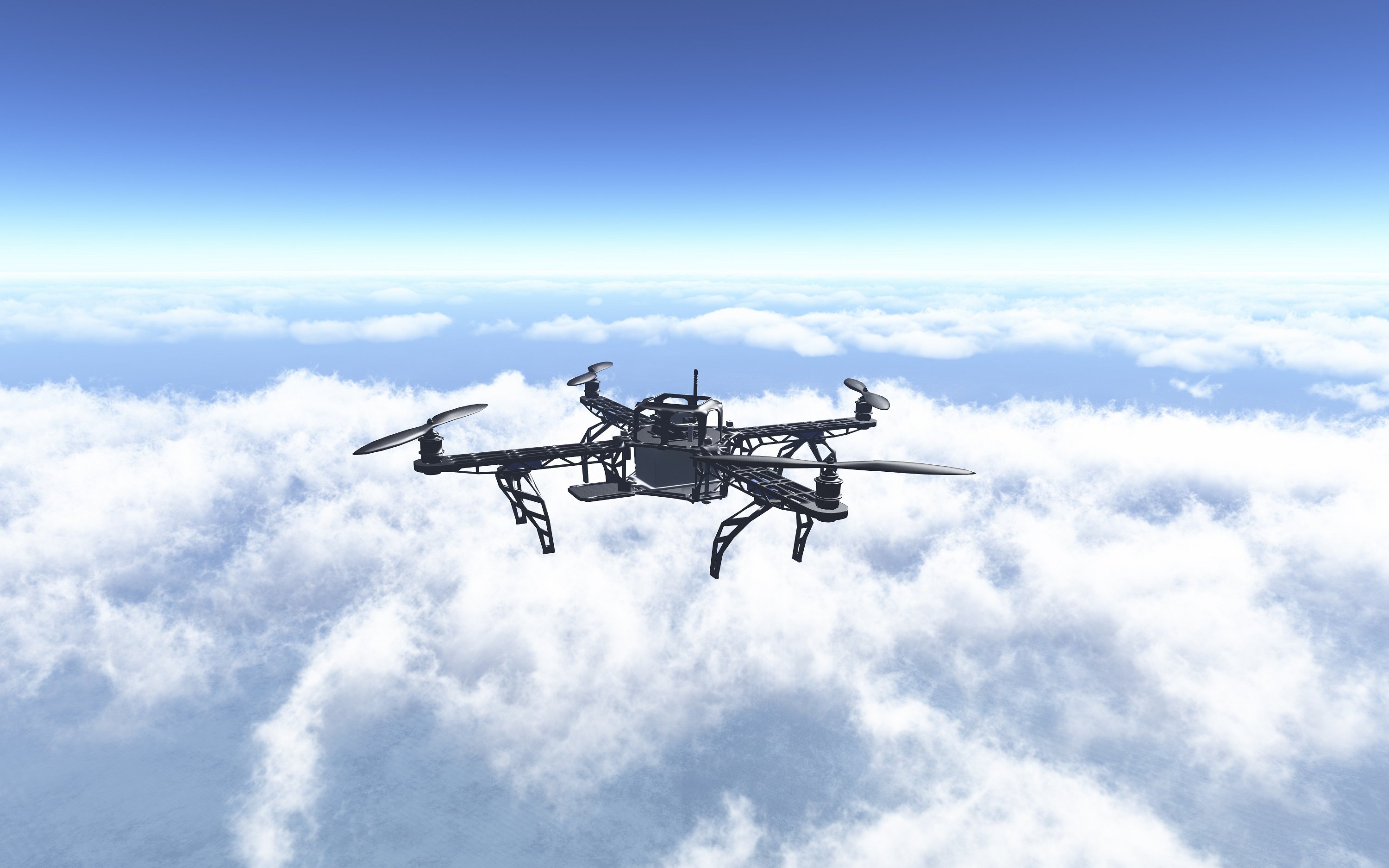
A UAV survey involves the use of drones equipped with cameras, GPS systems, LiDAR, or multispectral sensors to capture data from the sky. These drones fly over land areas to collect georeferenced images, videos, and sensor readings that are later processed into 2D orthomosaic maps, 3D models, Digital Elevation Models (DEMs), and volumetric reports.
Why Businesses are Switching to UAV Survey
- Speed of Execution: Traditional land survey for large areas can take days or weeks. A drone can cover 50–100 hectares in a single day, significantly cutting down survey timelines. This is especially important in projects where delays can cost lakhs or crores of rupees.
- High Accuracy: Drones equipped with RTK (Real-Time Kinematic) or PPK (Post Processing Kinematic) GPS modules deliver accuracy within 2–5 cm. This level of precision reduces errors in planning, design, and execution, helping businesses avoid rework and cost escalations.
- Lower Costs: By reducing the need for manual labor, repeat survey, and equipment rentals, drone survey help businesses save up to 40–50% of conventional survey costs.
- Enhanced Safety: Surveying mines, quarries, rugged terrain, or high-altitude locations can be dangerous for personnel. Drones can operate in these environments without putting lives at risk.
- Better Visualization: With high-resolution images, 3D maps, and volumetric data, business owners and stakeholders get a clear, visual understanding of the site helping them make informed decisions quickly.
Applications of UAV Survey Across Industries
Construction & Infrastructure
- Pre-construction topography mapping
- Cut-and-fill analysis
- Progress monitoring and reporting
- As-built survey
- Road and highway alignment survey
Mining & Quarrying
- Stockpile volume calculation
- Mine pit mapping and monitoring
- Environmental impact assessments
- Regulatory compliance reporting
A mining firm used UAVs to monitor stock levels and generate volumetric reports, reducing disputes with contractors and increasing transparency with regulators.
Agriculture
- Field health monitoring with multispectral sensors
- Crop area mapping
- Drainage and irrigation planning
- Soil moisture detection
Renewable Energy
- Site assessment for solar and wind farms
- Thermal imaging for panel inspection
- Vegetation encroachment detection
- Transmission line route mapping
Urban Planning & Real Estate
- Land parcel mapping
- Encroachment detection
- 3D models for master planning
- Progress updates for investors
Key Deliverables from a UAV Survey
|
What to Look for in a UAV Survey Company
- DGCA Certification (India-specific): Ensure legal compliance.
- Experienced Pilots: Look for companies with a strong portfolio and skilled operators.
- Advanced Equipment: Drones with RTK/PPK, LiDAR, thermal, or multispectral capabilities.
- Data Integration: Ability to provide outputs compatible with CAD, GIS, and BIM tools.
- Scalability: Can they handle multi-location projects? PAN-India coverage is a plus.
- Industry Experience: Choose a vendor who understands your business and regulatory environment.
Why B2B Businesses Should Act Now
UAV survey technology is a mainstream, companies that adopt it gain a competitive edge, while those who delay risk falling behind.
Here’s what early adopters report:
- 25–35% faster project execution
- Fewer disputes and rework
- Improved stakeholder confidence
- Faster billing cycles and approvals
In sectors like infrastructure and mining, where every day counts, the savings and benefits multiply rapidly.
Make Your Projects Future-Ready
UAV survey services are more than just aerial photography they are a strategic enabler for project execution, monitoring, and decision-making. Whether you’re a contractor, builder, government agency, or consultant, drone technology can streamline your operations, improve accuracy, and reduce costs across the board.
Need a Custom Proposal?
At Suncon Engineers, we specialize in end-to-end UAV survey services tailored to your industry.
- DGCA-Certified Pilots
- Quick Deployment Across India
- Industry-Specific Data Outputs
- Support for Tenders, DPRs & Audits
UAV drone survey | UAV drone land survey | UAV land survey | Drone survey and mapping | Drone survey companies | Drone mapping and survey | Aerial drone survey | UAV mapping | Drones for mapping and survey | UAV survey and mapping | Drone survey mapping | Aerial land survey drone | UAV aerial survey | UAV for survey and mapping | UAV survey companies | Drone topographic survey | Lidar drone survey | Lidar drone for survey | Aerial mapping drone | Topographic drone survey | Drone lidar services | Drone magnetic survey | Fixed wing survey drone | Drone survey services | Topographic mapping drone | Survey lidar drone | Agricultural drone survey | Survey drone with lidar | UAV lidar survey | Drone lidar survey | Contour mapping drones