Structural design is the art and science of creating a framework that can withstand loads, forces, and environmental conditions throughout its life cycle. It involves careful planning, analysis, and detailing to make sure that a structure remains safe under normal use as well as during extreme events like earthquakes, cyclones, or heavy rainfall.
Advanced Technologies Used in Structural Design
- Building Information Modeling (BIM)
- BIM platforms like Revit Structures, Tekla, and Navisworks are widely used for 3D modeling, clash detection, and collaboration.
- They allow real-time coordination between architects, engineers, and contractors.
- Helps in visualizing the entire structure before construction begins.
- Finite Element Analysis (FEA)
- Software like ANSYS, SAP2000, STAAD.Pro, and ETABS are used for detailed structural simulations.
- Allows engineers to study stress distribution, vibration, seismic effects, and dynamic load behavior.
- Useful for complex geometry and high-rise or long-span structures.
- Computer-Aided Design (CAD) & Detailing Software
- AutoCAD, Tekla Structures, and Advance Steel are used for creating precise 2D and 3D drawings.
- Enables accurate reinforcement detailing, shop drawings, and fabrication-ready models.
- Seismic and Wind Analysis Tools
- Specialized tools for earthquake-resistant design and wind tunnel simulation.
- Helps in designing tall buildings, towers, and bridges to resist natural forces.
- Parametric and Generative Design
- Uses AI and algorithms to generate multiple design options based on performance criteria.
- Helps optimize material usage, cost, and safety simultaneously.
- Virtual Reality (VR) & Augmented Reality (AR)
- VR & AR allow immersive visualization of structures before construction.
- Clients and engineers can walk through the structure virtually to detect design issues early.
- Cloud-Based Collaboration Platforms
- Tools like Autodesk BIM 360, Bentley ProjectWise enable multiple teams to collaborate remotely.
- Enhances speed, reduces errors, and ensures version control.
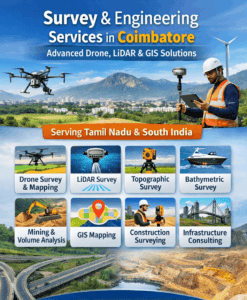
- Drones & Laser Scanning for Surveying
- UAVs (drones) and LiDAR scanners are used for accurate site surveys and as-built modeling.
- Provides precise data for foundation design, retrofitting, and monitoring of existing structures.
- 3D Printing in Construction (Emerging Technology)
- Used for prototype modeling and in some cases, direct concrete 3D printing.
- Helps in experimenting with innovative structural forms.
- Sustainable Design Tools
- Software that integrates life-cycle analysis (LCA) and energy efficiency into structural design.
- Ensures structures are not just strong but also environmentally friendly.
Why Structural Design is Important
Structural design plays a vital role in ensuring safety and efficiency. Poorly designed structures can lead to:
- Excessive deflection, cracks, or vibration
- High maintenance costs over time
- Risk of collapse during earthquakes or heavy winds
- Unnecessary construction expenses due to over-design
By choosing professional design services, you ensure that your structure is:
- Safe and durable – Designed to withstand all loads and forces
- Cost-effective – Optimized to reduce material wastage and project costs
- Code-compliant – Meeting IS codes, Eurocode, ACI, and other international standards
- Sustainable – Environmentally conscious with efficient use of materials
Industries We Serve
Our structural design expertise covers a wide range of industries, including
- Residential – Apartments, villas, and townships
- Commercial – Shopping complexes, offices, and malls
- Industrial – Factories, warehouses, workshops, and plants
- Institutional – Schools, colleges, and hospitals
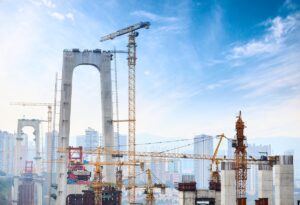
- Infrastructure—bridges, highways, and transportation structures
- Utility Projects – Power plants, water treatment facilities, and pipelines
Our Approach to Structural Design
We follow a systematic approach to ensure that every project is well-planned and executed:
- Data Collection & Survey – Gathering site details, soil reports, and client requirements.
- Preliminary Design—Conceptual planning and rough sizing of structural members.
- Detailed Analysis & Design—Using software for accurate calculations and code compliance.
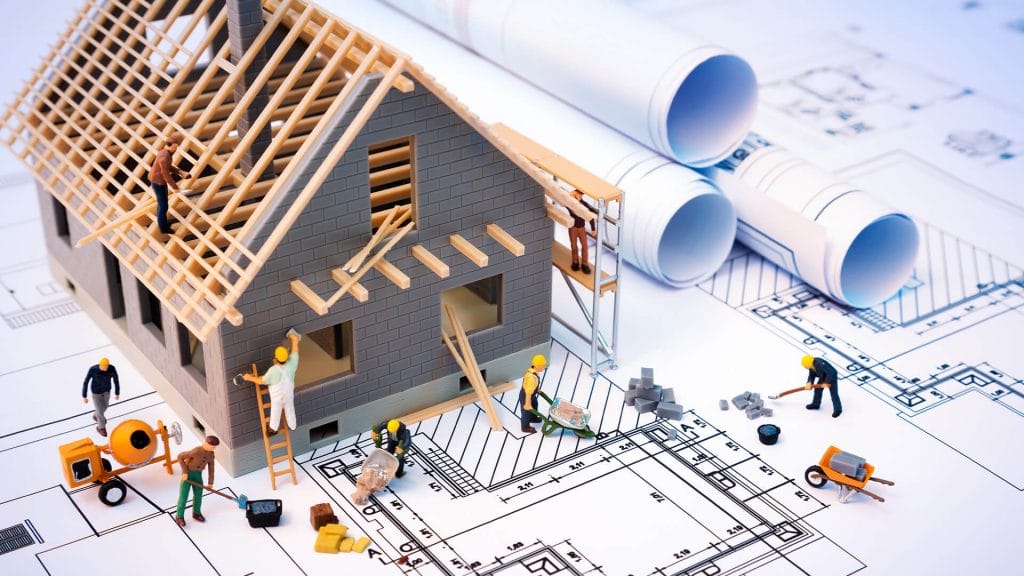
- Drafting & Detailing – Preparation of structural drawings, reinforcement detailing, and BOQs.
- Review & Optimization—Checking for efficiency, economy, and constructability.
- Final Delivery—Providing drawings, reports, and construction-ready documents.
A well-planned structural design takes into account:
- Loads and forces—dead load, live load, seismic forces, wind loads, temperature effects, and accidental loads.
- Materials—Concrete, steel, timber, composite structures, or pre-engineered materials.
- Foundation interaction—Behavior of soil, bearing capacity, and settlement characteristics.
- Serviceability—Ensuring deflection, vibration, and durability are within safe limits.
- Economy—Designing for safety while reducing unnecessary construction costs.
Why Choose Us for Structural Design Services?
- Experienced Team—Qualified engineers with expertise in RCC, steel, and infrastructure projects.
- Advanced Technology—Use of BIM and modern software for precise results.
- Code Compliance – Designs as per IS, Eurocode, AISC, and international standards.
- Cost-Effective Solutions—Optimized for budget and construction feasibility.
- Customized Services – Tailored to meet client requirements and site conditions.
- End-to-End Support—From design to detailing and construction assistance.
Cost Estimation and BOQ Services
Along with structural design, we also provide cost estimation, BOQ preparation, and construction detailing. This helps contractors and developers in planning budgets accurately and avoiding cost overruns. Our detailed drawings are practical, execution-friendly, and ensure smooth construction.
Partner With Us
At Suncon Engineers, we believe structural design is not just about strength—it is about creating safe, sustainable, and future-ready structures. With our expertise, technology, and commitment to quality, we deliver designs that stand strong against time, nature, and usage.
If you are looking for structural design services in India, partner with us for expert consultation, innovative designs, and end-to-end solutions.
📞 Contact us today to discuss your project requirements.
FAQ’S
- What is structural design?
It is the process of planning safe, stable, and economical frameworks for buildings and structures. - Why is structural analysis important?
It ensures a structure can safely withstand loads, forces, and environmental conditions. - What types of loads are considered in structural design?
Dead load, live load, wind, seismic, thermal, and soil or accidental loads. - Which codes are used in structural design?
IS codes in India along with global standards like ACI, Eurocodes, and BS codes.
5. What materials are commonly used in structural design?
Concrete, steel, composite materials, timber, and masonry, depending on project needs.