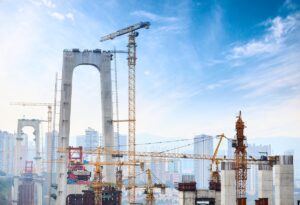

Civil industry is experiencing a steady transformation as Artificial Intelligence becomes part of everyday engineering practice. Today’s infrastructure projects are larger, more complex, and expected to meet higher standards of safety, durability, and efficiency. AI supports this shift by helping professionals process information faster, understand risks better, and make informed decisions throughout the project lifecycle. Rather than replacing traditional engineering judgment, AI strengthens it by providing deeper analytical insight.
At the planning and conceptual stage, AI plays a crucial role in interpreting diverse sets of data. Civil projects depend on factors such as terrain conditions, environmental impact, regulatory requirements, and long-term performance expectations. AI systems are capable of studying these variables together, identifying patterns that may not be obvious through manual analysis. This leads to more realistic project planning and helps teams anticipate potential challenges well before construction begins.
As projects progress to site assessment and design development, AI supports the interpretation of technical data collected from surveys and investigations. Modern civil engineering relies heavily on digital data, and AI helps organize and refine this information into meaningful engineering inputs. Accurate understanding of site conditions improves design reliability and reduces the likelihood of unexpected issues during execution.
During construction, AI contributes by continuously analyzing site activity and project progress. Construction environments are dynamic, with frequent changes in sequencing, resources, and conditions. AI-enabled monitoring systems help compare actual progress with planned schedules, making it easier to identify delays, inefficiencies, or deviations at an early stage. This allows project teams to take corrective action in time, improving overall control and coordination.
Safety remains one of the most critical concerns in the civil industry, and AI offers strong support in this area. By observing work patterns and site conditions over time, AI systems help highlight situations that may increase the risk of accidents. This proactive approach encourages safer work practices and supports better compliance with safety standards, without relying entirely on manual supervision.
Quality control also benefits from AI-driven analysis. Civil construction involves multiple materials, workmanship standards, and execution methods. AI helps review construction data and visual records to identify inconsistencies that could affect structural performance. Addressing such issues early improves construction quality and reduces the need for corrective work later in the project.
From a cost and resource management perspective, AI helps improve financial predictability. Civil projects are often affected by fluctuations in material availability, labor productivity, and scheduling constraints. AI systems analyze historical data and current project conditions to support more accurate cost forecasting and efficient resource allocation. This helps reduce waste and supports better budget management.
The role of AI extends beyond construction completion into infrastructure operation and maintenance. Structures are subject to continuous stress from environmental exposure and usage over time. AI supports the analysis of performance data to identify early signs of deterioration. Planned maintenance based on such insights improves safety, reduces unexpected failures, and extends the service life of infrastructure assets.
In the broader context of urban development, AI supports smarter infrastructure planning by helping authorities understand usage patterns and future demand. As cities expand, infrastructure systems must adapt efficiently. AI helps analyze long-term trends, supporting decisions that balance growth, sustainability, and public needs.
Artificial Intelligence is becoming an essential support system in the civil industry. Its role is centered on improving understanding, reducing uncertainty, and enhancing decision-making at every stage of a project. As adoption increases, AI will continue to influence how civil infrastructure is planned, built, and maintained, contributing to safer, more efficient, and more resilient development.