Scope of Work:
Drainage Systems Assessment:
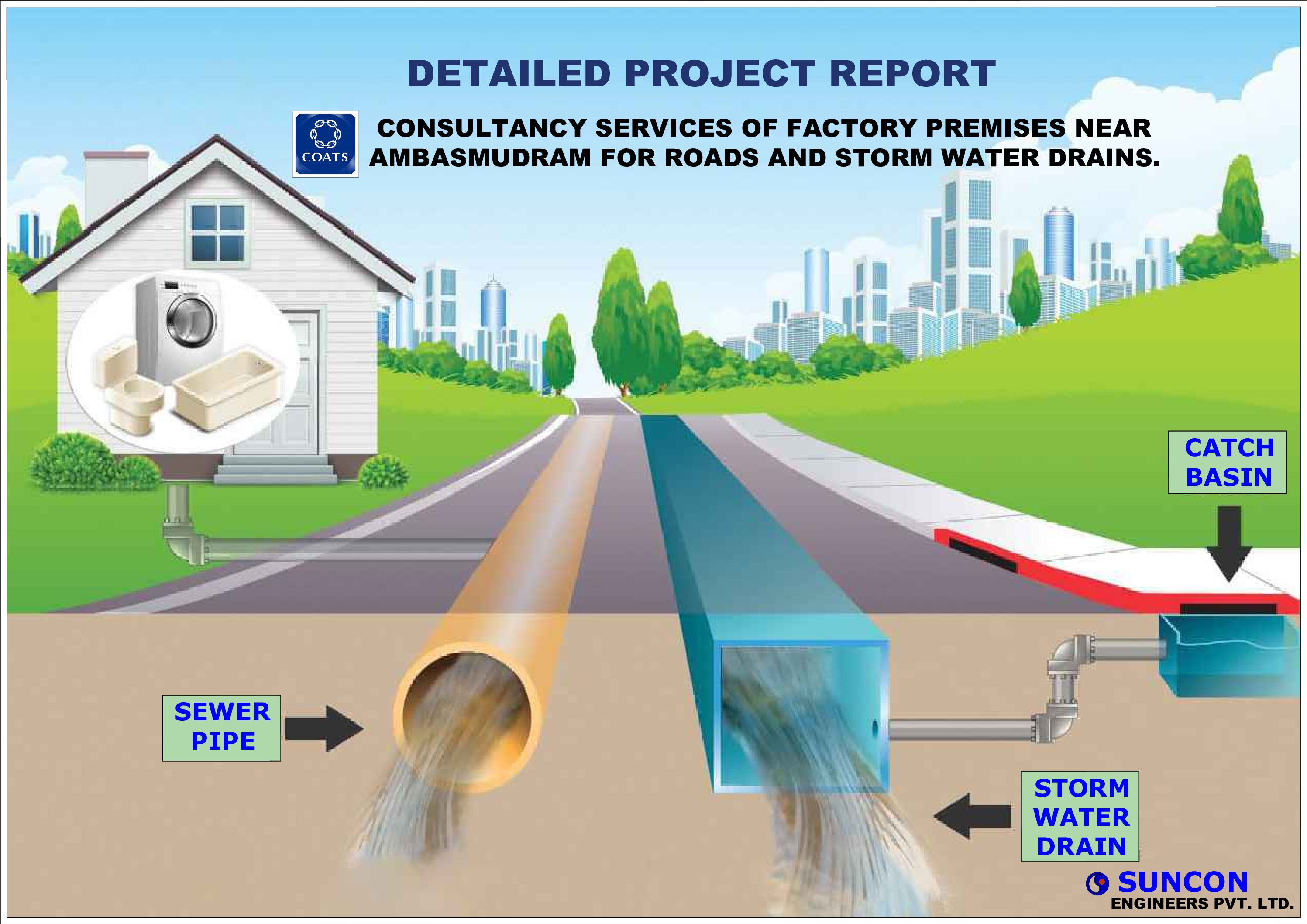
Surface Drainage: Assess the effectiveness of surface drainage systems, such as gutters, ditches, and culverts, in diverting rainwater away from the road.
Subsurface Drainage: Evaluate the condition of subsurface drainage systems like pipes and drains to prevent waterlogging and erosion beneath the road surface.
Hydraulic Capacity: Determine if drainage structures can handle the expected flow of water during peak rainfall events without causing flooding or erosion.
Analyze local weather patterns, rainfall intensity, and potential flood risks to design appropriate drainage systems and road layouts.
Sediment and Debris Accumulation: Check for sediment buildup or debris blockages in drainage systems that can impede water flow and lead to flooding.
At Colony: House outlet—grey water to be properly drained through channel with cover. A collection and recycling plan was also suggested.
Road Assessment:
Pavement Condition: Evaluate the condition of road surfaces, including cracks, potholes, and rutting, which can affect vehicle safety and comfort. Suitable new road (Tar/RCC/Paver) construction is to be recommended based on the site condition/requirement. A pedestrian pathway is to be recommended based on the requirement.
Structural Integrity: Assess the structural integrity of bridges, culverts, and retaining walls to ensure they can support traffic loads safely
Roadside Safety Features: Inspect guardrails, barriers, and signage to identify any deficiencies that may pose risks to motorists or pedestrians.
Geometric Design: Review road alignment, cross slopes, and sight distances to ensure they meet design standards for safety and efficiency.
Environmental Considerations:
Erosion Control: Evaluate erosion control measures along road embankments and slopes to prevent soil erosion and maintain stability.
Water Quality: Assess the impact of road runoff on nearby water bodies and ecosystems, and implement measures to mitigate pollution.
Project report:
After assessment, actual conditions and recommendations are to be submitted along with supporting documentation.
- Drainage sizes, types for both open and closed.
- Suitable type roads (Tar/RCC/Paver), spec, design, etc.
- BOQ and Costing
Habitat Protection: Consider the effects of road construction and maintenance on wildlife habitats and implement measures to minimize disruption.