
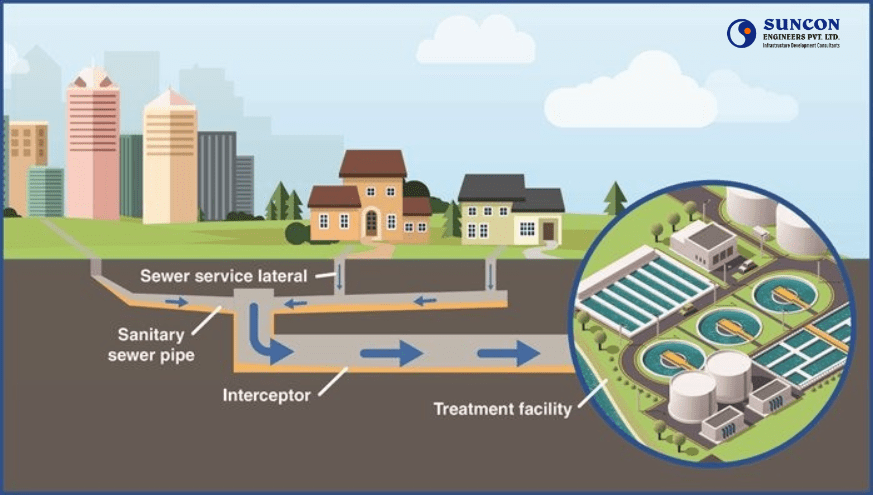
Urbanization, population growth, and increasing environmental regulations have made sewerage projects a critical component of modern infrastructure development. Designing an efficient, sustainable, and cost-effective sewerage system is not possible without a thorough understanding of the existing ground realities. This is where an existing infrastructure condition survey becomes a foundational step. Such surveys provide vital technical, structural, and operational insights that directly influence the planning, design, and execution of sewerage projects.
An existing infrastructure condition survey is a systematic assessment of current sewer networks, manholes, pumping stations, treatment units, and associated utilities. The objective is to evaluate the physical condition, hydraulic performance, capacity, and remaining service life of existing assets. These surveys help engineers identify defects, structural weaknesses, blockages, infiltration, inflow issues, and capacity constraints before proposing new sewerage designs.
In sewerage projects, condition surveys are often carried out using a combination of sewer inspection techniques, underground utility surveys, pipeline condition assessment, and asset mapping to ensure accurate data collection.
Importance of Condition Survey in Sewerage Project Design
- Accurate Assessment of Existing Sewer Network
One of the primary roles of a condition survey is to assess the existing sewer network condition. Many urban areas have aging sewer systems with incomplete records. A detailed survey helps identify pipe materials, diameters, slopes, connection points, and structural integrity, which are crucial inputs for sewerage system design. Without this assessment, new sewer designs may clash with existing infrastructure or fail to integrate efficiently with the current system.
- Identifying Structural and Hydraulic Deficiencies
A sewer condition assessment highlights common issues such as cracks, corrosion, joint displacement, root intrusion, and sediment deposition. It also helps evaluate hydraulic performance, including flow capacity, surcharge points, and overflow risks. These findings directly impact decisions related to pipe replacement, rehabilitation, or upsizing during the sewerage project design stage.
- Optimizing Sewerage System Design
Designing a sewerage project based on actual ground conditions ensures technical accuracy and long-term performance. Data obtained from condition surveys supports:
- Selection of appropriate pipe materials
- Determination of pipe diameter and slope
- Location and spacing of manholes
- Design of pumping stations and gravity sewers
This optimization helps create a cost-effective sewerage design while minimizing future maintenance issues.
Role of Condition Survey in Rehabilitation and Expansion Projects
Many sewerage projects involve rehabilitation, upgrading, or expansion rather than entirely new construction. An existing infrastructure survey helps determine whether assets can be reused, rehabilitated, or must be replaced. This reduces unnecessary demolition and supports sustainable infrastructure development. For expanding urban areas, understanding the remaining capacity of existing sewer lines is essential to avoid overloading the system.
Risk Reduction and Design Validation
Condition surveys significantly reduce project risks. By identifying hidden defects and undocumented utilities, they help avoid:
- Design errors
- Construction delays
- Cost overruns
- Utility conflicts
In sewerage projects, early identification of risks leads to better design validation and smoother execution.
Integration with Modern Survey Technologies
Modern sewerage projects increasingly rely on advanced technologies for infrastructure condition assessment, such as:
- CCTV sewer inspection
- Manhole inspection surveys
- Underground utility detection
- GIS mapping of sewer networks
- Non-destructive testing of pipelines
These technologies improve data accuracy and support informed decision-making during sewerage system planning and design.
Supporting Regulatory Compliance and Approvals
Regulatory authorities often require detailed documentation of existing infrastructure before approving sewerage projects. A comprehensive condition survey provides verifiable data for:
- Environmental impact assessments
- Design approvals
- Funding and tender documentation
This makes the survey a critical step in meeting statutory and compliance requirements.
Cost Control and Lifecycle Planning
A well-executed condition survey helps engineers estimate realistic project costs. By understanding the actual condition of existing assets, designers can avoid over-designing or under-estimating rehabilitation needs. This contributes to lifecycle cost analysis and ensures long-term operational efficiency of the sewerage system.
Enhancing Sustainability and Asset Management
Condition surveys support infrastructure asset management by documenting the current state of sewer assets and predicting future performance. This allows planners to adopt sustainable design practices, reduce resource wastage, and extend the lifespan of sewer infrastructure.
Survey plays a decisive role in the successful design of sewerage projects. It forms the technical backbone of planning by providing accurate, reliable, and actionable data about existing sewer systems. From optimizing sewerage system design and reducing project risks to controlling costs and ensuring regulatory compliance, condition surveys are indispensable in modern sewerage engineering. Incorporating detailed condition assessment at the initial stage not only improves design quality but also ensures that sewerage projects are resilient, efficient, and sustainable in the long run.