What is a Flood Risk Survey?
A flood risk assessment, also known as a flood risk survey, is a thorough investigation that assesses the possibility of flooding in a specific location as well as the possible harm it could cause.
Consider it a health examination for your property; rather than taking your heart rate or blood pressure, it assesses how vulnerable your area is to flooding.
- The likelihood of flooding due to groundwater, surface water, or rivers.
- How future construction (such as roads or buildings) will affect natural drainage.
- The steps required to lower or control the risk of flooding.
How to Conduct a Flood Risk Survey?
A flood risk survey is conducted through a systematic process that begins with collecting background data such as topography, rainfall, soil type, and drainage patterns, followed by an on-site inspection to assess elevation, water flow paths, and existing flood defence.
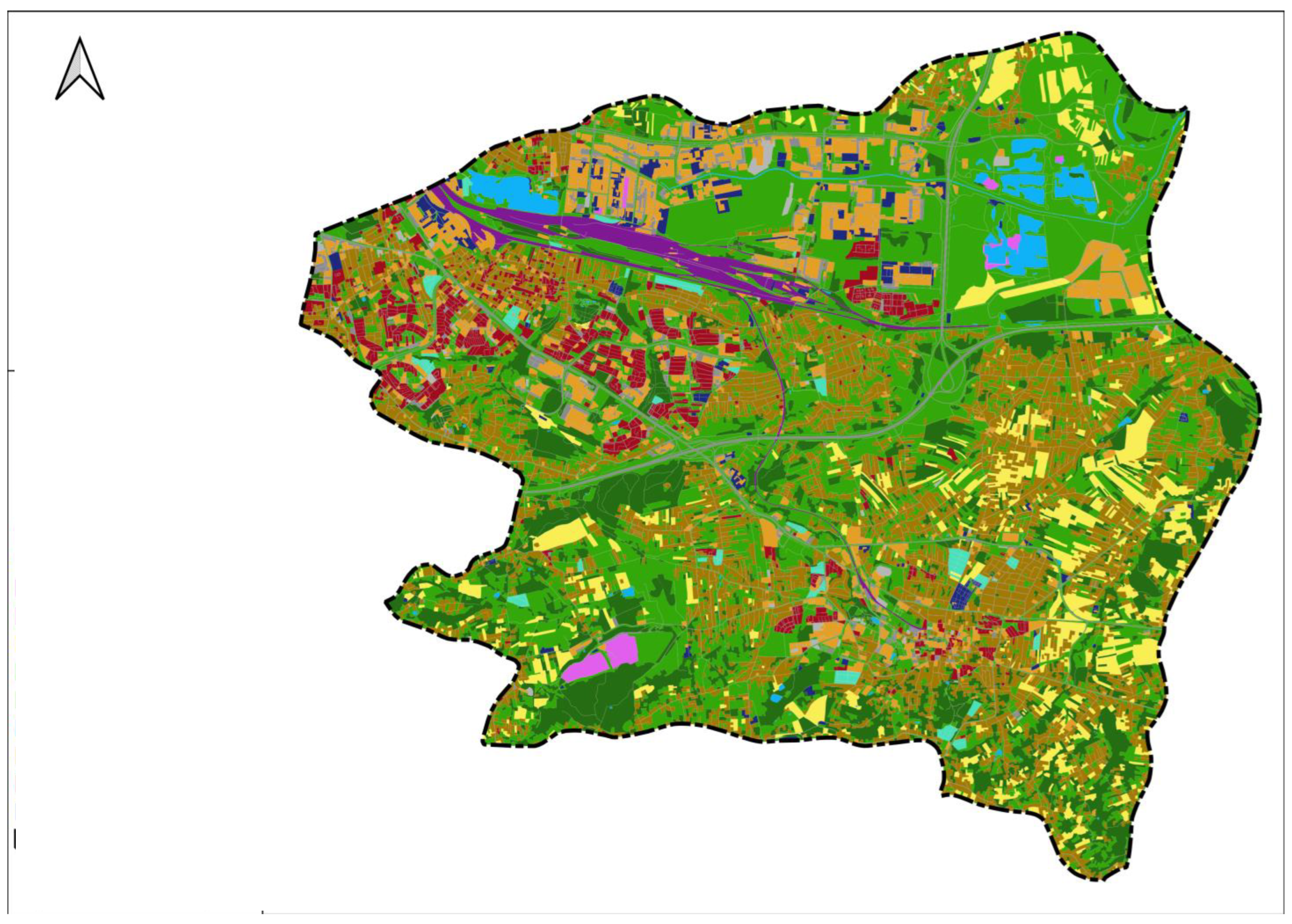
Using advanced tools like GIS mapping and hydrological modelling, experts analyse potential sources of flooding such as rivers, rainfall, or groundwater and simulate different flood scenarios to determine how water would move through the area. The findings are then compiled into a detailed report that classifies the site’s flood risk level and recommends preventive measures like improved drainage, elevated construction, or flood barriers to reduce potential damage and ensure safer, sustainable development.
Why Flood Risk Surveys Are Becoming Essential?
Around the world, floods have increased in frequency and severity during the past few decades. Floods make up more than 40% of all natural disasters worldwide, according to the UN. That is a startling amount that keeps rising annually.
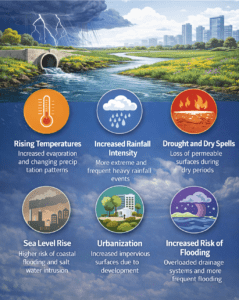
- Climate Change and Rising Rainfall
Climate change has altered rainfall patterns. We now experience intense rainfall in shorter periods, overwhelming drainage systems and causing flash floods. A flood risk survey helps understand how climate shifts impact your specific area.
- Rapid Urbanization
Cities are expanding fast. New constructions, concrete pavements, and poor drainage reduce natural water absorption, increasing runoff and flood risks. Surveys help plan better urban designs that protect both property and people.
- Protecting Investments
Whether it’s a home, factory, or farmland, a flood can cause devastating financial loss. A flood risk survey acts as a preventive investment, guiding you toward smarter building decisions.
- Legal and Planning Compliance
Before granting planning permission, local authorities in many countries (such as the US, India, and the UK) demand a flood risk assessment. Ignoring it may result in legal repercussions or even delays in approvals.
Types of Floods Covered in a Survey
- River Flooding (Fluvial)
Occurs when rivers overflow due to heavy rain or snowmelt. Common in low-lying areas near water bodies.
- Surface Water Flooding (Pluvial)
Happens when rainwater can’t drain properly especially in cities with poor drainage.
- Groundwater Flooding
Occurs when the ground becomes saturated and water rises to the surface typical after prolonged rain.
- Coastal Flooding
Impacts coastal areas due to storm surges, high tides, or sea-level rise. Each flood type requires different analysis techniques, and surveyors use advanced tools and mapping systems to determine the real risks.
What Happens During a Flood Risk Survey?
A typical flood risk survey includes several steps combining data, mapping, and expert judgment.
- Data Collection
Surveyors collect hydrological data (rainfall, river levels, drainage patterns), topography maps, and local flood history.
- Site Inspection
Experts visit the property to assess elevation, drainage systems, and nearby water sources.
- Flood Modelling
Advanced software simulates potential flood scenarios — predicting how water would behave during heavy rainfall or overflow.
- Risk Classification
- Low risk: Unlikely to flood
- Medium risk: Flooding possible in extreme weather
- High risk: Frequent or severe flooding likely
- Recommendations
- Improving drainage
- Installing flood barriers
- Adjusting construction height
- Using permeable materials
Benefits of Conducting a Flood Risk Survey.
- Prevention is Better than Cure
Instead of paying for post-flood damage, a survey helps avoid it altogether by identifying weak spots early.
- Supports Sustainable Development
Builders and architects use survey data to design flood-resilient buildings promoting safer, greener communities.
- Better Insurance and Financial Planning
Insurance companies often demand flood risk data. A detailed survey can help negotiate lower premiums by proving that the risk is minimal.
- Protects Human Lives and Infrastructure
With early warnings and preventive design, communities can prepare evacuation plans and protect essential infrastructure.
- Enhances Property Value
Properties in flood-safe areas, verified through surveys, are more attractive to buyers and investors.
Frequently Asked Questions (FAQs) About Flood Risk Surveys:
- What is a flood risk survey?
A flood risk survey (also called a flood risk assessment) is a detailed study that evaluates how likely a property or area is to experience flooding. It identifies flood sources like rivers, rainfall, or groundwater and suggests measures to reduce the risk.
- Why is a flood risk survey important?
It’s important because it helps protect lives, property, and investments. Knowing your flood risk allows you to take preventive steps, design safer structures, and comply with local building or environmental regulations.
- Who needs a flood risk survey?
Anyone planning to build, buy, or develop property in areas prone to flooding should get a flood risk survey. It’s often required by local authorities, insurance companies, and developers before construction approvals.
- How is a flood risk survey conducted?
Experts use on-site inspections, GIS mapping, flood modelling software, and topographic data to assess risks. They simulate potential flood scenarios and provide solutions to minimize damage.