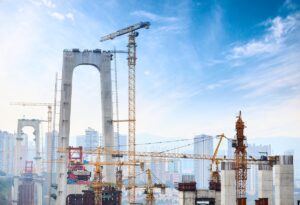
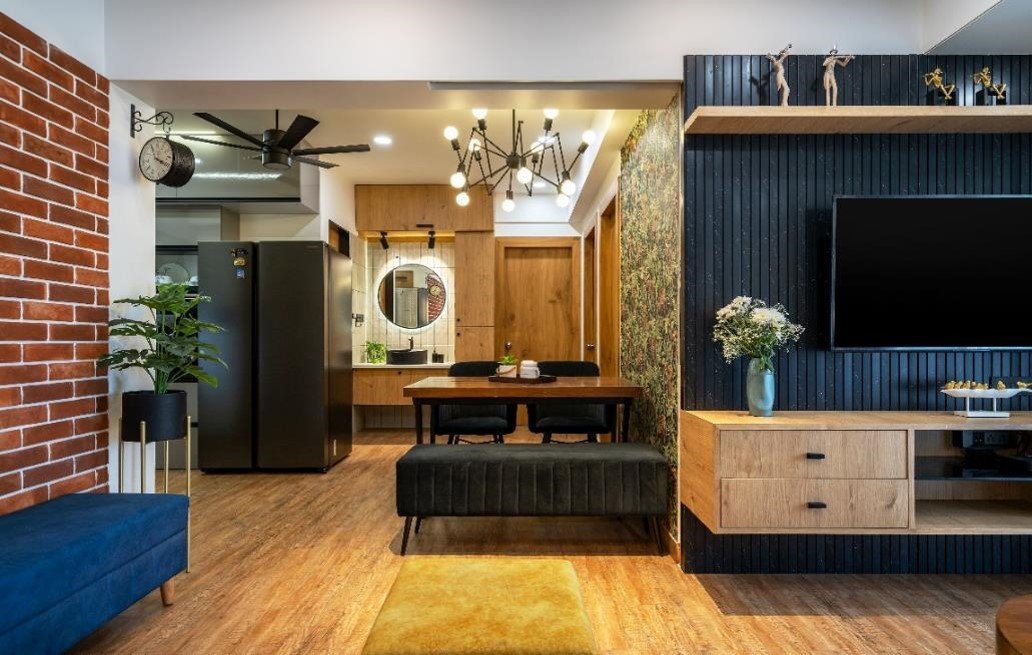
Architecture design is more than just drawing buildings; it is the art and science of shaping spaces that influence how people live, work, and interact. From grand skyscrapers to cozy homes, every structure starts with a vision a design blueprint that blends creativity, functionality, safety, and sustainability.
In today’s fast-evolving world, the demand for innovative architecture design is growing rapidly. Whether it’s for urban infrastructure, eco-friendly homes, commercial complexes, or public spaces, architectural design plays a crucial role in transforming ideas into reality.
What is Architecture Design?
Architecture design refers to the conceptualization, planning, and detailed drafting of buildings and structures. It encompasses aesthetic appeal, structural integrity, space efficiency, and environmental sustainability.
At its core, architecture design is about solving spatial problems. Architects take into account client needs, site conditions, budgets, local regulations, and cultural context to create designs that are not only beautiful but also practical and lasting.
Key Principles of Architecture Design
Effective architectural design is built upon several fundamental principles:
- Functionality
The design must serve its purpose. Whether it’s a school, office, or residence, the layout, rooms, and infrastructure should support the intended activities.
- Aesthetics
Visual appeal is a key component. The proportions, materials, textures, and finishes must harmonize to create an inviting environment.
- Balance and Proportion
Proper use of scale and proportion ensures that the building looks and feels right in its context, enhancing user comfort and spatial harmony.
- Sustainability
Modern architecture design focuses heavily on eco-friendly practices, including energy efficiency, passive design elements, and sustainable materials.
- Safety and Compliance
Architectural design must comply with safety codes, zoning laws, and accessibility standards to ensure public safety.
The Architecture Design Process
Designing a building involves a structured process that brings creativity and engineering together:
- Client Consultation
The architect meets with the client to understand their needs, preferences, budget, and vision for the project.
- Site Analysis
A detailed study of the land, including climate, topography, soil, and legal restrictions, is conducted to determine feasibility.
- Conceptual Design
Initial ideas are sketched out. This includes rough layouts, orientation, and form development to present a basic direction.
- Design Development
The selected concept is refined with structural details, materials, color schemes, and systems (electrical, HVAC, plumbing).
- Documentation
Technical drawings and blueprints are created for contractors and engineers. These include floor plans, elevations, sections, and construction details.
- Approvals and Permits
Plans are submitted to local authorities for necessary clearances before construction begins.
- Construction Oversight
The architect may remain involved during construction to ensure the project aligns with the original design.
Types of Architecture Design
Architecture design covers a vast range of building types. Some common categories include:
- Residential Architecture
Designing homes, villas, apartments, and housing communities with comfort and privacy in mind.
- Commercial Architecture
Office buildings, shopping malls, hotels, and coworking spaces require designs that balance utility and brand image.
- Institutional Architecture
Schools, hospitals, universities, and government buildings often focus on accessibility, functionality, and scale.
- Industrial Architecture
Factories, warehouses, and production facilities need efficient workflows, durable materials, and safety-first layouts.
- Landscape Architecture
Designing outdoor spaces like gardens, parks, and urban streetscapes that integrate with the built environment.
- Interior Architecture
Optimizing internal spaces for lighting, acoustics, material finishes, and ergonomic comfort.
Modern Trends in Architecture Design
The world of architecture is constantly evolving. Some of the latest trends shaping design include:
- Green Architecture
Emphasizing energy-saving features like solar panels, rainwater harvesting, and green roofs.
- Smart Buildings
Integrating IoT, automation, and AI for intelligent lighting, security, and temperature control.
- Minimalism
Using clean lines, open spaces, and neutral colours for simplicity and elegance.
- Biophilic Design
Incorporating natural elements like plants, water, and daylight to improve well-being.
- Adaptive Reuse
Reviving old structures with new purposes such as converting factories into loft apartments.
Importance of Architecture Design in Everyday Life
Good architectural design directly impacts the quality of life. Here’s how:
- Enhances Productivity: Well-designed workspaces improve employee focus and efficiency.
- Boosts Mental Health: Access to natural light, ventilation, and green spaces reduces stress.
- Promotes Social Interaction: Community-focused designs encourage human connection.
- Supports Environmental Goals: Sustainable buildings reduce resource consumption and carbon footprint.
- Preserves Culture: Architecture preserves local identity, heritage, and traditions.
Challenges in Architecture Design
Designing buildings is complex and often comes with challenges, including:
- Budget Constraints: Balancing client aspirations with financial realities.
- Regulatory Hurdles: Navigating approvals and building codes.
- Environmental Considerations: Adapting designs to climate, disaster zones, and ecological impact.
- Client Expectations: Managing evolving needs and communication gaps.
- Technological Integration: Keeping up with new software, materials, and construction techniques.
Tools Used in Architecture Design
Modern architects use a variety of design software and tools, including:
- AutoCAD: For 2D drafting and technical drawings.
- Revit: For Building Information Modeling (BIM).
- SketchUp: For quick 3D modeling and conceptualization.
- ArchiCAD: An all-in-one tool for architectural design.
- Rhino and Grasshopper: For parametric and organic forms.
Virtual reality (VR), drones for site mapping, and 3D printing for model making are also revolutionizing how architects present and refine designs.
Architecture design is a blend of art, science, and strategy. It’s about creating spaces that meet human needs while respecting nature, culture, and economy. From the first pencil sketch to the final brick laid, architectural design influences every aspect of how we experience the built world.
As we look toward the future, architecture will continue to adapt and evolve. By prioritizing sustainability, innovation, and human-centric design, architects are not just building structures they’re crafting better lives.
A career in architecture design is both creatively rewarding and intellectually challenging. Architects play a vital role in shaping the built environment, working on projects that range from residential homes to commercial skyscrapers and public infrastructure. The job involves a mix of artistic vision and technical expertise—architects must master design principles, building codes, construction methods, and digital tools like AutoCAD and Revit. They collaborate with engineers, clients, and contractors to bring concepts to life, often juggling deadlines, budgets, and regulations. For those passionate about design and innovation, a job in architecture design offers the opportunity to leave a lasting mark on the world.
FAQs on Architecture Design
Q1. What is the difference between architecture and architectural design?
Architecture refers to the discipline and profession, while architectural design specifically involves the planning and creative process of designing buildings.
Q2. What software do architects use for design?
Popular software includes AutoCAD, Revit, SketchUp, Rhino, and ArchiCAD.
Q3. How long does the architectural design process take?
It varies based on project size but generally ranges from a few weeks (for homes) to several months (for large commercial projects).
Q4. Can architecture design be sustainable?
Absolutely. Green architecture incorporates energy-efficient systems, sustainable materials, and designs that reduce environmental impact.
Q5. What are some famous examples of architecture design?
Examples include the Burj Khalifa in Dubai, Sydney Opera House in Australia, and Fallingwater by Frank Lloyd Wright in the U.S.